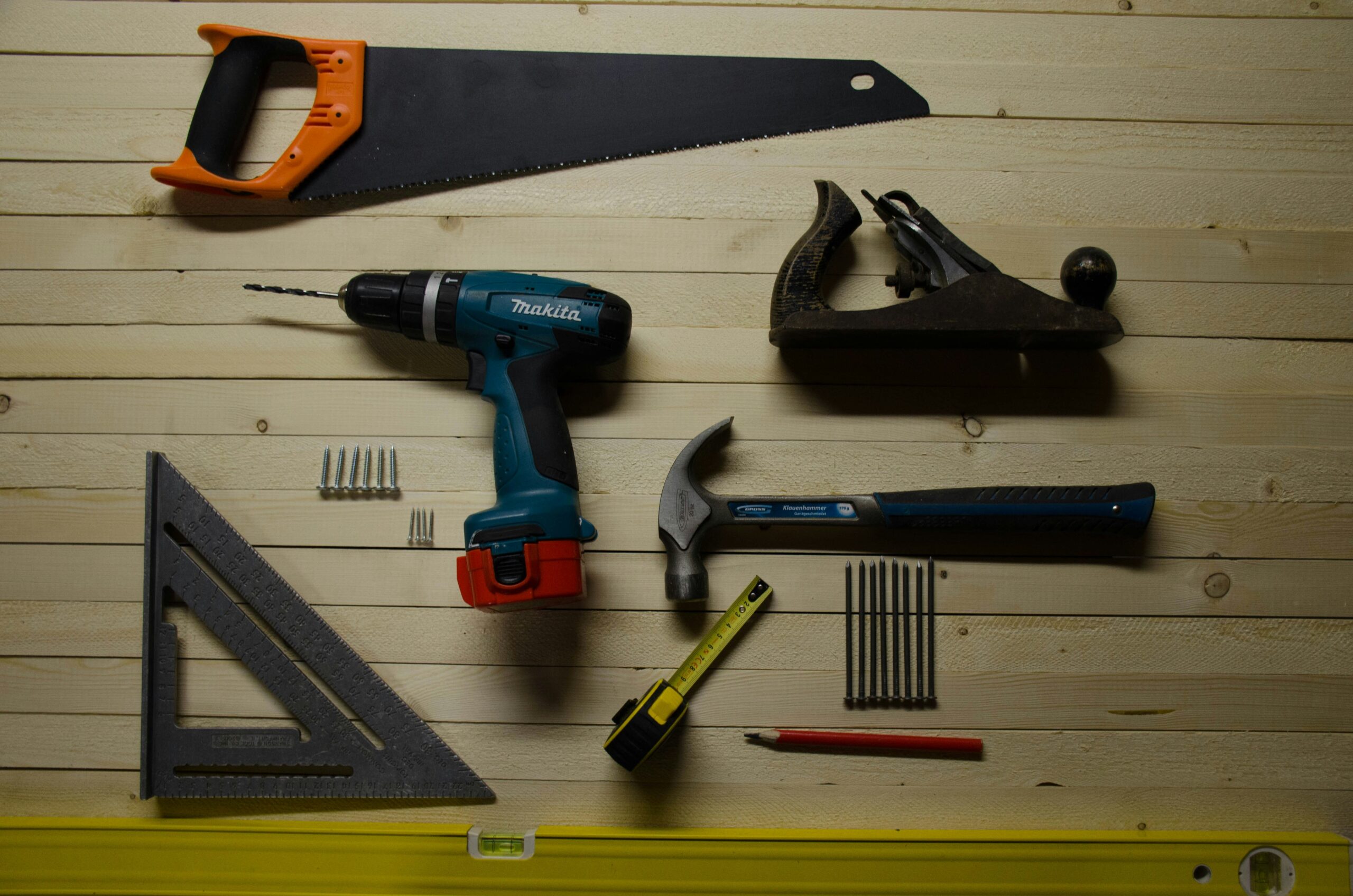
The $29 drill looks like a bargain until you’re buying your third one.
This is the conversation most tool buying guides skip: not what a tool costs on the day you buy it, but what it costs over the years you actually use it. Total Cost of Ownership (TCO) is a concept from business finance that applies perfectly to home improvement tools — and when you run the numbers, the math almost always favors buying quality once over buying cheap repeatedly.
This guide does the math for you across five common tool categories, using real pricing data and failure rate patterns from thousands of Amazon reviews and contractor forums. The results are more lopsided than most people expect.
What’s in This Guide
- How Total Cost of Ownership Works for Tools
- The 5-Year Math: Cordless Drill
- The 5-Year Math: Hammer
- The 5-Year Math: Tape Measure
- The 5-Year Math: Screwdriver Set
- The 5-Year Math: Utility Knife
- Where Cheap Tools Actually Win
- The Buying Framework: When to Spend More
- FAQ
Quick Answer: For hand tools used regularly, mid-range quality (Stanley, Klein, Estwing) costs 30–50% less over 5 years than cheap tools replaced every 12–18 months. For power tools, the gap is even wider due to battery ecosystem lock-in. The one exception: single-use specialty tools you’ll use once.
How Total Cost of Ownership Works for Tools
TCO is simple: add up every dollar a tool costs you over its useful life, including purchase price, replacement costs, and the hidden cost of tool failure at the wrong moment.
The TCO formula for tools:
TCO = Purchase price + (Number of replacements × Replacement cost) + Failure cost
Failure cost is the one people forget. It includes:
- Time spent going to the store mid-project to replace a broken tool
- Project delays from tool failure
- Damage caused by a tool that failed (a drill that strips screws, a tape measure that gives inaccurate readings, a utility knife that slips)
For homeowners, failure cost is mostly time. For anyone doing paid work, it’s also lost income.
The 5-Year Math: Cordless Drill
This is where the TCO gap is most dramatic, because of battery ecosystems.
Cheap option: Generic 20V drill, $45–$65
Reading through Amazon reviews of drills in this price range, the recurring pattern is consistent:
- Battery failure at 12–18 months in the majority of negative reviews
- Chuck problems at 18–24 months (bits slip, chuck won’t tighten)
- Motor degradation at 24–36 months under regular use
5-year TCO for a $55 generic drill:
| Cost Item | Amount |
|---|---|
| Initial purchase | $55 |
| Replacement at 18 months (battery dead) | $55 |
| Replacement at 36 months (chuck failed) | $55 |
| Replacement bits (cheap chuck strips bits) | $20 |
| Total 5-year cost | $185 |
And at the end of 5 years, you have a third cheap drill with no ecosystem — no compatible batteries, no upgrade path, no additional tools that run on the same platform.
Mid-range option: Ryobi One+ HP Brushless, ~$120 kit
The Ryobi One+ HP Brushless comes with 2 batteries and a charger. Ryobi’s One+ platform has 280+ compatible tools on the same battery.
5-year TCO for the Ryobi kit:
| Cost Item | Amount |
|---|---|
| Initial purchase (2 batteries included) | $120 |
| Battery replacement at year 4 (optional) | $40 |
| Total 5-year cost | $160 |
And at year 5, you have a drill that still works, 2–3 batteries with capacity remaining, and a platform you can expand with a circular saw, leaf blower, or impact driver without buying new batteries.
Premium option: DeWalt DCD800, ~$160 kit
The DeWalt DCD800 has a brushless motor rated for significantly longer life than brushed alternatives, and DeWalt’s 20V Max ecosystem is the largest in residential tools.
5-year TCO for the DeWalt kit:
| Cost Item | Amount |
|---|---|
| Initial purchase (2 batteries included) | $160 |
| No replacements expected in 5 years | $0 |
| Total 5-year cost | $160 |
Same 5-year cost as Ryobi, but with a premium ecosystem and higher resale value if you ever sell it.
The verdict on drills
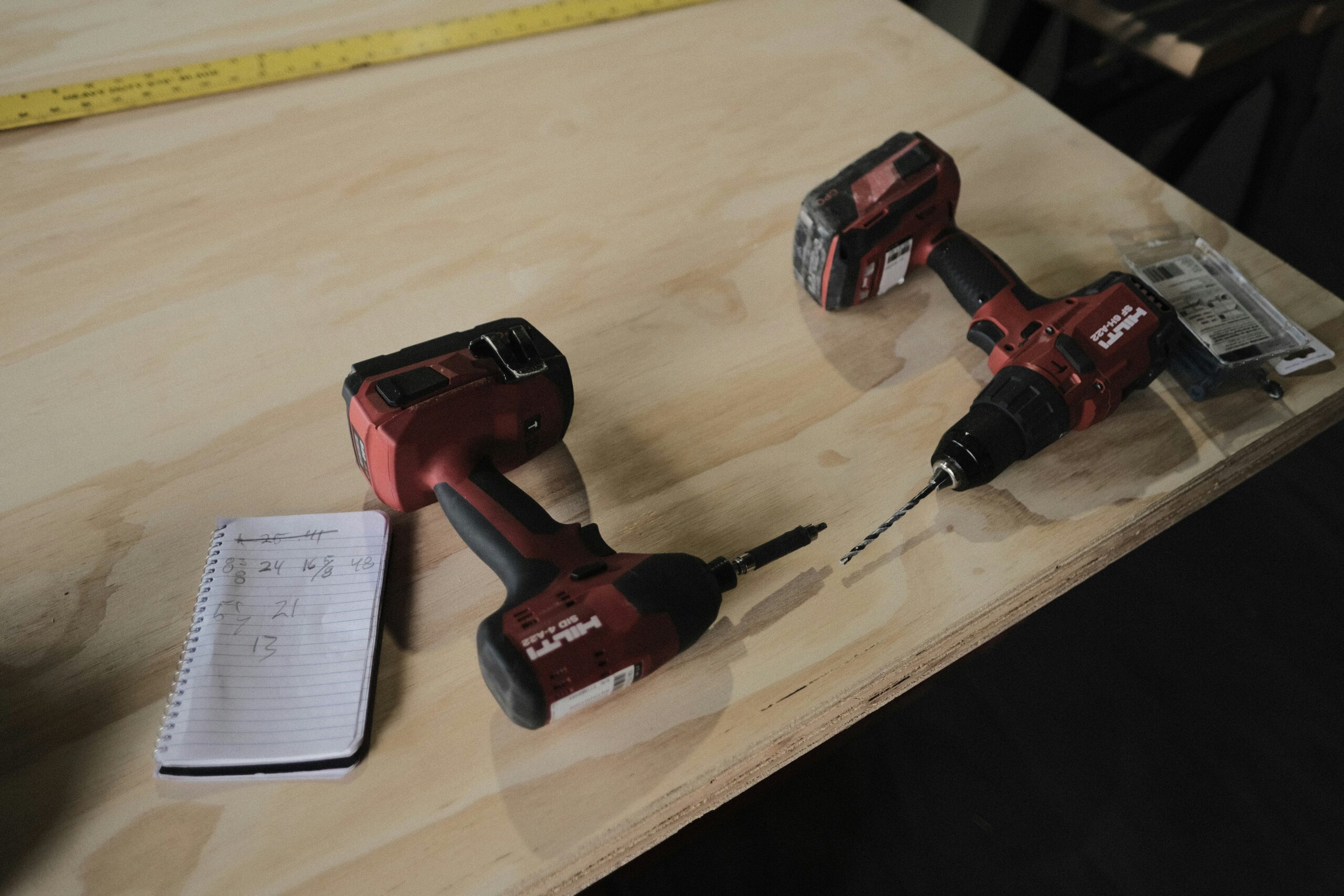
| Option | 5-Year TCO | What you have at year 5 |
|---|---|---|
| Cheap generic ($55) | $185 | A third cheap drill, no ecosystem |
| Ryobi One+ HP ($120) | $160 | Working drill + battery platform |
| DeWalt DCD800 ($160) | $160 | Working drill + premium ecosystem |
The cheap drill costs more over 5 years and leaves you with less.
The 5-Year Math: Hammer
Cheap option: Generic 16oz hammer, $12–$18
Cheap hammers fail in one of two ways: the head loosens from the handle (wood handle hammers with cheap epoxy bonding), or the face chips or deforms under heavy use (pot metal heads rather than forged steel).
Reading through 1-star reviews of cheap hammers, the most common complaint is the head loosening after 6–12 months of regular use. Once the head is loose, the hammer is dangerous — it can fly off mid-swing.
5-year TCO for a $15 cheap hammer:
| Cost Item | Amount |
|---|---|
| Initial purchase | $15 |
| Replacement at 18 months | $15 |
| Replacement at 36 months | $15 |
| Total 5-year cost | $45 |
Quality option: Estwing E3-16C, ~$28
The Estwing E3-16C is one-piece forged steel — there is no head-to-handle joint to loosen because the head and handle are the same piece of metal. It has a lifetime warranty. Professional contractors report using the same Estwing for 10–20 years.
5-year TCO for the Estwing:
| Cost Item | Amount |
|---|---|
| Initial purchase | $28 |
| No replacements in 5 years | $0 |
| Total 5-year cost | $28 |
The verdict: The quality hammer costs $28 over 5 years vs $45 for cheap hammers replaced three times. The Estwing is 38% cheaper over the same period and lasts decades longer.
The 5-Year Math: Tape Measure
Cheap option: Generic 25ft tape measure, $8–$12
The failure modes for cheap tape measures are well-documented in reviews: the blade lock stops holding within months, the standout degrades (the tape starts bending earlier and earlier), and the case cracks from drops.
5-year TCO for a $10 cheap tape measure:
| Cost Item | Amount |
|---|---|
| Initial purchase | $10 |
| Replacement at 18 months | $10 |
| Replacement at 36 months | $10 |
| Total 5-year cost | $30 |
Quality option: Stanley FatMax 25ft, ~$22
The Stanley FatMax has an 11-foot standout (double most cheap alternatives), a durable blade lock, and a reinforced case. Consistent positive reviews report 5–10 years of daily use without issues.
5-year TCO for the Stanley FatMax:
| Cost Item | Amount |
|---|---|
| Initial purchase | $22 |
| No replacements in 5 years | $0 |
| Total 5-year cost | $22 |
The verdict: Stanley FatMax costs 27% less over 5 years and actually does the job better (11-foot standout vs 6-foot on cheap alternatives).
The 5-Year Math: Screwdriver Set
Cheap option: Generic 6-piece screwdriver set, $8–$15
The failure mode for cheap screwdrivers is tip stripping — the hardened steel tip wears down or deforms, and then it strips screws instead of driving them. Once a screwdriver strips screws, it’s useless and actually damages your work.
5-year TCO for a $12 cheap screwdriver set:
| Cost Item | Amount |
|---|---|
| Initial purchase | $12 |
| Replacement at 2 years (tips stripped) | $12 |
| Replacement at 4 years | $12 |
| Total 5-year cost | $36 |
Quality option: Klein Tools 6-piece set, ~$35
The Klein Tools screwdriver set uses hardened, tempered steel tips that maintain their shape through years of use. Klein is the brand professional electricians use daily. The most common positive Amazon review is some variation of “still works perfectly after 5+ years.”
5-year TCO for Klein Tools:
| Cost Item | Amount |
|---|---|
| Initial purchase | $35 |
| No replacements in 5 years | $0 |
| Total 5-year cost | $35 |
The verdict: Klein costs essentially the same over 5 years as two replacements of cheap sets — and the Klein set is still going strong at year 5 while the cheap set is on its third iteration.
The 5-Year Math: Utility Knife
Cheap option: Generic retractable utility knife, $5–$8
Cheap utility knives fail at the blade-lock mechanism — the blade slides forward under pressure instead of staying locked. This is both a safety hazard and a usability problem.
5-year TCO for a $6 cheap utility knife:
| Cost Item | Amount |
|---|---|
| Initial purchase | $6 |
| Replacement at 12 months | $6 |
| Replacement at 24 months | $6 |
| Replacement at 36 months | $6 |
| Replacement at 48 months | $6 |
| Total 5-year cost | $30 |
Quality option: Stanley 10-099, ~$12
The Stanley 10-099 is the most-purchased utility knife on Amazon for a reason — simple all-metal construction with a reliable blade lock. Replacement blades cost almost nothing. Reviews consistently mention 5–10 years of reliable use.
5-year TCO for the Stanley 10-099:
| Cost Item | Amount |
|---|---|
| Initial purchase | $12 |
| Replacement blades (5 years × $3/year) | $15 |
| Total 5-year cost | $27 |
The verdict: Stanley costs 10% less over 5 years and doesn’t have the blade-slip safety hazard of cheap alternatives.
Where Cheap Tools Actually Win
TCO doesn’t always favor quality. There are three situations where cheap tools are the rational choice:
1. Single-use specialty tools
If you need a tile saw for one bathroom renovation, the right answer is renting or buying the cheapest functional option. You’re not going to use it again. TCO over one use is just purchase price.
2. Tools you might lose or loan out
Some tools live in the back of a truck or get loaned to people who don’t return them. Losing a $15 putty knife hurts less than losing a $45 one. For tools at high risk of loss, cheap is rational.
3. Tools for genuine one-time projects
If you’re moving into a house, doing a single renovation, and never plan to do DIY again — buy cheap. There’s no long-term TCO to calculate.
The Buying Framework: When to Spend More
Based on the TCO analysis, a simple decision filter:
Buy quality when:
- You’ll use it more than 5 times per year
- It’s a core tool (hammer, drill, tape measure, screwdrivers)
- Failure would be dangerous (utility knives, electrical tools)
- It’s part of a battery ecosystem (every dollar spent on a quality platform compounds)
Buy cheap (or rent) when:
- Single-use or very infrequent use
- High loss/damage risk
- Specialty tool for one specific project
- You genuinely can’t afford quality right now — a working cheap tool beats no tool
The middle path: For most homeowners, the right approach is quality on the 10 core tools (see our Essential Tools guide) and cheap-or-rent for everything else.
Frequently Asked Questions
Is this analysis fair to cheap tools?
The TCO numbers are based on failure patterns from verified Amazon reviews across hundreds of products. Cheap tools that last aren’t being reviewed — only the ones that fail. So there’s some survivorship bias in negative reviews. But the pattern is consistent enough across thousands of data points that the general conclusion holds: cheap tools fail faster at rates that make them more expensive over time.
What about store brands like Husky or Ridgid?
Store brands sit between generic cheap and premium brands in both price and quality. Husky (Home Depot) and Craftsman (Lowe’s) are generally acceptable for homeowner use — better than generic off-brand, not quite as durable as Klein or Estwing. For occasional homeowner use, they’re a reasonable compromise.
Does this apply to power tools beyond drills?
Yes, more so. The battery ecosystem argument applies to any cordless power tool. A circular saw, jigsaw, sander, and impact driver all running on the same battery platform represent significant savings compared to buying cheap versions of each with incompatible batteries.
Should I buy used quality tools instead of new cheap tools?
Often yes. A used Estwing hammer or Stanley tape measure in good condition is a better value than a new cheap equivalent. Check condition carefully — look for loose heads on hammers, blade condition on knives, and case integrity on tape measures.
At what point does the quality premium not make sense?
When the price gap is more than 5× and you’re an occasional user. Paying $150 for a premium tape measure when a $22 Stanley FatMax lasts 5+ years doesn’t make TCO sense. The quality premium makes sense when it reduces replacement cycles — not just for prestige.
The Short Version
Cheap tools aren’t cheaper. They’re payment plans for mid-quality tools, with the inconvenience of more frequent replacements built in.
For the five tools analyzed here, buying mid-range quality costs 20–40% less over 5 years than replacing cheap versions. For power tools with battery ecosystems, the gap is even wider.
The math isn’t complicated. It just requires looking past the price tag on the shelf.
For specific tool recommendations across all categories, our 10 Essential Tools Every Homeowner Should Own covers the right models at the right price points.
Questions about which tools are worth spending more on? Email us at contact@fixyardly.com — we read every message.
This article contains affiliate links. As an Amazon Associate, Fixyardly earns from qualifying purchases. See our Affiliate Disclosure for details.

Angel Gabriel Pucheta is the founder of Fixyardly, where he writes about home improvement, tool reviews, and practical DIY techniques. He started Fixyardly to cut through the noise of generic top-10 lists and provide homeowners with clear, honest, no-fluff guidance. Reach him at contact@fixyardly.com.