Every homeowner has seen it happen — or lived it. A shelf mounted confidently on a Sunday afternoon, only to crash to the floor three weeks later taking a lamp and a picture frame with it. A TV bracket that held for months before the anchor slowly pulled through the wall. A towel bar that wobbled from day one.
Almost every drywall mounting failure traces back to the same root cause: the wrong anchor for the weight and wall type. This guide fixes that permanently.
By the end you’ll know exactly which mounting method to use for any object, any weight, and any wall situation — from a 2-pound picture frame to a 150-pound TV mount.
What’s in This Guide
- Understanding Drywall Before You Mount Anything
- The Weight × Method Matrix (Quick Reference Table)
- Method 1: Stud Mounting (The Gold Standard)
- Method 2: Hollow Wall Anchors (When Studs Aren’t Available)
- Method 3: Self-Drilling Anchors (Light to Medium Loads)
- Method 4: Toggle Bolts and SnapToggles (Heavy Loads)
- Specific Use Cases: TV, Mirror, Shelf, Curtain Rod
- The Most Common Mounting Mistakes (And How to Avoid Them)
- Tools You Need
- FAQ
Quick Answer: For anything under 20 lbs, plastic self-drilling anchors work fine. For 20–50 lbs, use toggle bolts or SnapToggles. For anything over 50 lbs, find a stud. If you can’t find a stud and need to mount something heavy, use a French cleat or a mounting plate that spans multiple studs.
Understanding Drywall Before You Mount Anything
Standard residential drywall (also called gypsum board or sheetrock) is 1/2-inch thick in most homes. Behind it, wood or metal studs run vertically every 16 or 24 inches. The drywall itself has almost no holding strength — it crumbles under sustained load. All the holding strength comes from either the studs behind it or the anchor mechanism spreading the load across a wider surface area.
This is the single most important thing to understand about drywall mounting. You’re never really mounting into drywall. You’re mounting into either:
A) A stud — the most reliable option for any load B) An anchor — a device that grips the back of the drywall panel to distribute load
When people say “it fell off the wall,” almost always it’s because they used the wrong anchor type for the weight, or they missed the stud they were aiming for, or they used no anchor at all (just a screw directly into drywall, which has essentially zero holding power).
Standard drywall specs worth knowing
- Thickness: 1/2 inch (most walls), 5/8 inch (fire-rated walls, some ceilings)
- Stud spacing: 16 inches on center (most common) or 24 inches on center (some newer construction)
- Stud material: Wood (most residential) or metal (commercial, some newer residential)
- Safe load per anchor: varies enormously — from 5 lbs (cheap plastic anchors) to 265 lbs (SnapToggle heavy-duty)
The Weight × Method Matrix
Use this table as your first stop before any mounting project:
| Object Weight | Best Method | Anchor Type | Notes |
|---|---|---|---|
| Under 5 lbs | Self-drilling plastic anchor | EZ-Anchor or similar | Picture frames, small decor |
| 5–20 lbs | Self-drilling or stud | Zinc self-drilling anchor | Mirrors, medium shelves |
| 20–50 lbs | Toggle bolt or stud | WingIts, SnapToggle | Heavy mirrors, towel bars |
| 50–100 lbs | Stud mount preferred | Lag bolt into stud | Shelving systems, bike racks |
| 100–200 lbs | Stud mount required | Multiple lag bolts | TV mounts, heavy shelves |
| 200+ lbs | Structural assessment needed | Professional installation | Cabinets, climbing walls |
The rule of thumb: when in doubt, go one level heavier than you think you need. The cost difference between a 50-lb anchor and a 100-lb anchor is about $2. The cost of a TV hitting the floor is several hundred dollars.
Method 1: Stud Mounting (The Gold Standard)
For anything over 50 lbs, mounting into studs isn’t optional — it’s required. Studs are the wooden (or metal) vertical framing members inside your walls. A 3-inch screw driven into a stud can hold 80–100 lbs with a proper screw head and bracket.
How to find studs
Method A: Stud finder (recommended) Electronic stud finders like the Franklin Sensors ProSensor or Zircon MultiScanner detect the density change where the stud is. Run the stud finder horizontally across the wall — it will beep or light up when it passes over a stud.
Method B: The knock test (free, less precise) Knock on the wall with your knuckle moving horizontally. The sound changes from hollow to solid when you hit a stud. Mark the spot with a light pencil mark and verify with a small nail before committing.
Method C: Measurement (fastest when you know stud spacing) Once you find one stud, measure 16 inches in either direction. Most US homes have studs every 16 inches on center. Verify each new stud with the knock test before drilling.
Pro tip from contractor forums: electrical outlets are almost always mounted to a stud on one side. Find an outlet, measure 16 inches right or left, and you’ve likely found your first stud. Verify before drilling.
How to mount into studs
- Mark your stud location with a light pencil mark
- Use a drill bit slightly smaller than your screw diameter for pilot holes (prevents splitting)
- Drive a 3-inch wood screw (GRK or similar) into the stud
- For heavy mounts (TV brackets, shelving), use #10 or #12 screws, 3 inches minimum
- A single 3-inch screw into a stud holds approximately 80–100 lbs
Method 2: Hollow Wall Anchors (When Studs Aren’t Available)
Sometimes you need to mount something exactly where there’s no stud. That’s what hollow wall anchors are for.
Types of hollow wall anchors
Plastic expansion anchors (avoid for anything over 10 lbs) The cheap anchors that come in hardware store mixed packs. They work by expanding when a screw is driven in. Problem: they rely entirely on friction with the drywall paper, which fails under any lateral or sustained load. Fine for hanging a lightweight picture in a fixed position. Not fine for shelves, towel bars, or anything that gets pulled on regularly.
Zinc self-drilling anchors (good for 10–30 lbs) These screw directly into the drywall without a pilot hole and have a wider thread that grips the drywall more securely than plastic. The DeWalt drill bit set drives these easily. Look for brands like E-Z Anchor or Hillman.
Metal toggle bolts / butterfly anchors (good for 30–75 lbs) A bolt with spring-loaded “wings” that fold to fit through a hole and then spring open behind the drywall, clamping against the back. Very strong because they distribute load across a larger area. Downside: if you remove the bolt, the toggle falls inside the wall.
SnapToggle / TOGGLER anchors (best for 50–265 lbs) The most reliable hollow-wall anchor available for homeowners. A steel channel clips permanently to the back of the drywall, and the bolt threads into it. Unlike toggle bolts, the channel stays in place even if you remove the bolt — so you can remount things in the same hole. Used extensively in commercial construction.
Method 3: Self-Drilling Anchors (Light to Medium Loads)
Self-drilling anchors are the best choice for most typical homeowner mounting tasks: picture frames, small shelves, bathroom accessories, curtain rods in non-heavy-fabric situations.
How to install self-drilling anchors
- Mark your mounting location with a pencil
- Position the anchor tip on the mark and apply firm pressure
- Use a Phillips screwdriver or drill on low speed to drive the anchor into the drywall — it cuts its own hole
- Drive until the anchor head is flush with the wall surface (don’t over-drive)
- Insert your mounting screw into the anchor
The most common mistake: over-driving the anchor until it spins freely. At that point, the anchor has stripped the drywall and has no holding power. If this happens, move to a different location and use a larger anchor.
Recommended products:
- Light loads (under 20 lbs): E-Z Anchor Self-Drilling Drywall Anchors
- Medium loads (20–50 lbs): TOGGLER SNAPTOGGLE Drywall Anchor
Method 4: Toggle Bolts and SnapToggles (Heavy Loads)
For heavy items mounted away from studs — large mirrors, heavy shelves, wall-mounted storage systems — SnapToggles are the professional’s choice.
How to install SnapToggle anchors
- Drill a 1/2-inch hole at your mounting location
- Feed the toggle through the hole with the wings folded
- The wings spring open behind the drywall
- Pull the straps toward you while sliding the plastic cap down against the wall — this locks the toggle against the back of the drywall
- Snap off the plastic straps flush with the wall
- Insert your bolt through your bracket/fixture into the anchor
Why SnapToggles beat regular toggle bolts: Regular toggle bolts require you to keep tension on the bolt the entire time you’re mounting — if the bolt loosens, the toggle falls inside the wall. SnapToggles lock mechanically against the back of the drywall, so you can remove and reinstall bolts freely.
Holding capacity: a single 1/4-inch SnapToggle in 1/2-inch drywall is rated for 265 lbs in shear (downward load). For most homeowner applications, two SnapToggles are more than adequate for even heavy loads.
Specific Use Cases
Mounting a TV (50–150 lbs total)
TV mounts are the highest-stakes drywall mounting project for most homeowners. A 65-inch TV plus mount can weigh 80–120 lbs, and a failure means a destroyed TV and potential injury.
The right approach:
- Always mount the top bracket bolts into studs — both of them if possible
- Standard stud spacing (16 inches) fits most TV mount brackets designed for residential use
- Use 3-inch lag bolts into studs, not standard drywall screws
- If your TV mount spans between studs, use a piece of 3/4-inch plywood (at least 3/4 inch thick, 16 inches wide) lag-bolted into two studs, then mount the TV bracket to the plywood
Verify stud location before drilling: drive a small finish nail at stud location to confirm solid wood before making the full mounting hole.
For drilling the pilot holes, our Best Cordless Drill for Beginners guide covers the right drill for this type of work.
Mounting a heavy mirror (20–80 lbs)
Under 30 lbs: two zinc self-drilling anchors, spaced to match the mirror’s hanging hardware
30–80 lbs: two SnapToggle anchors or stud mounting — mirrors get bumped and adjusted, which creates lateral load. Use heavy-duty anchors even if the mirror seems manageable with lighter hardware.
The D-ring method: hang the mirror on two D-ring hangers rather than wire — wire allows the mirror to shift and places all load on a single point when it swings. Two fixed D-rings distribute load evenly and prevent shifting.
Mounting shelves (variable)
Floating shelves under 30 lbs: self-drilling anchors or studs. Space mounting points at least 16 inches apart.
Heavy-duty shelves (30–100 lbs loaded): stud mounting required. Use a ledger board (a horizontal piece of 2×4 or 1×4 lag-bolted into studs) and mount shelf brackets to the ledger. This method can hold several hundred pounds if done correctly.
Bracket spacing: shelf brackets should be no more than 24 inches apart for standard shelving. For heavy loads or long spans, 16-inch spacing is safer.
Mounting curtain rods
Curtain rods are deceptively demanding — blackout curtains can weigh 15–30 lbs per panel, and the load is dynamic (pulling when opened/closed). People consistently under-anchor curtain rods.
The right approach:
- Locate studs if possible — curtain rod brackets are typically near window frames where studs are more likely
- If no stud: SnapToggle anchors, not plastic expansion anchors
- Use 3 mounting points when possible (center support bracket) for rods over 60 inches
The Most Common Mounting Mistakes
Reading through r/HomeImprovement, r/DIY, and contractor Q&A forums, the same mistakes appear constantly:
Mistake #1: Using plastic expansion anchors for anything that moves or bears dynamic load Towel bars, toilet paper holders, curtain rods, hooks near doors — anything that gets pulled on regularly. Plastic expansion anchors fail under repeated lateral load within months. Use metal self-drilling anchors minimum.
Mistake #2: Not verifying stud location before drilling the full hole Finding the stud with a stud finder and immediately drilling the 3/8-inch hole — then discovering the stud finder was off by an inch. Fix: always drive a finish nail to confirm solid wood before making the mounting hole.
Mistake #3: Over-driving self-drilling anchors Driving an anchor until it spins freely means it’s stripped the drywall hole. The anchor now has zero holding power. Move two inches to the side and start over with a larger anchor.
Mistake #4: Using screws that are too short A 1-inch screw into a stud gives you only 1/2 inch of actual wood engagement (after passing through 1/2-inch drywall). Minimum screw length for stud mounting is 2.5 inches — 3 inches is better.
Mistake #5: Mounting heavy items to a single anchor point One anchor point creates a pivot — the item swings and all load concentrates on that point. Always use two mounting points minimum for anything over 5 lbs.
Mistake #6: Ignoring the “loaded weight” vs “object weight” distinction A shelf weighs 8 lbs empty. Loaded with books, it weighs 60 lbs. Always anchor for the maximum expected loaded weight, not the empty weight of the fixture.
Tools You Need
You don’t need much. The basic mounting toolkit:
For finding studs: A reliable stud finder — the Franklin Sensors ProSensor 710 is the most consistently accurate in its price range based on reviews across multiple contractor forums. Magnetic stud finders work but are slower.
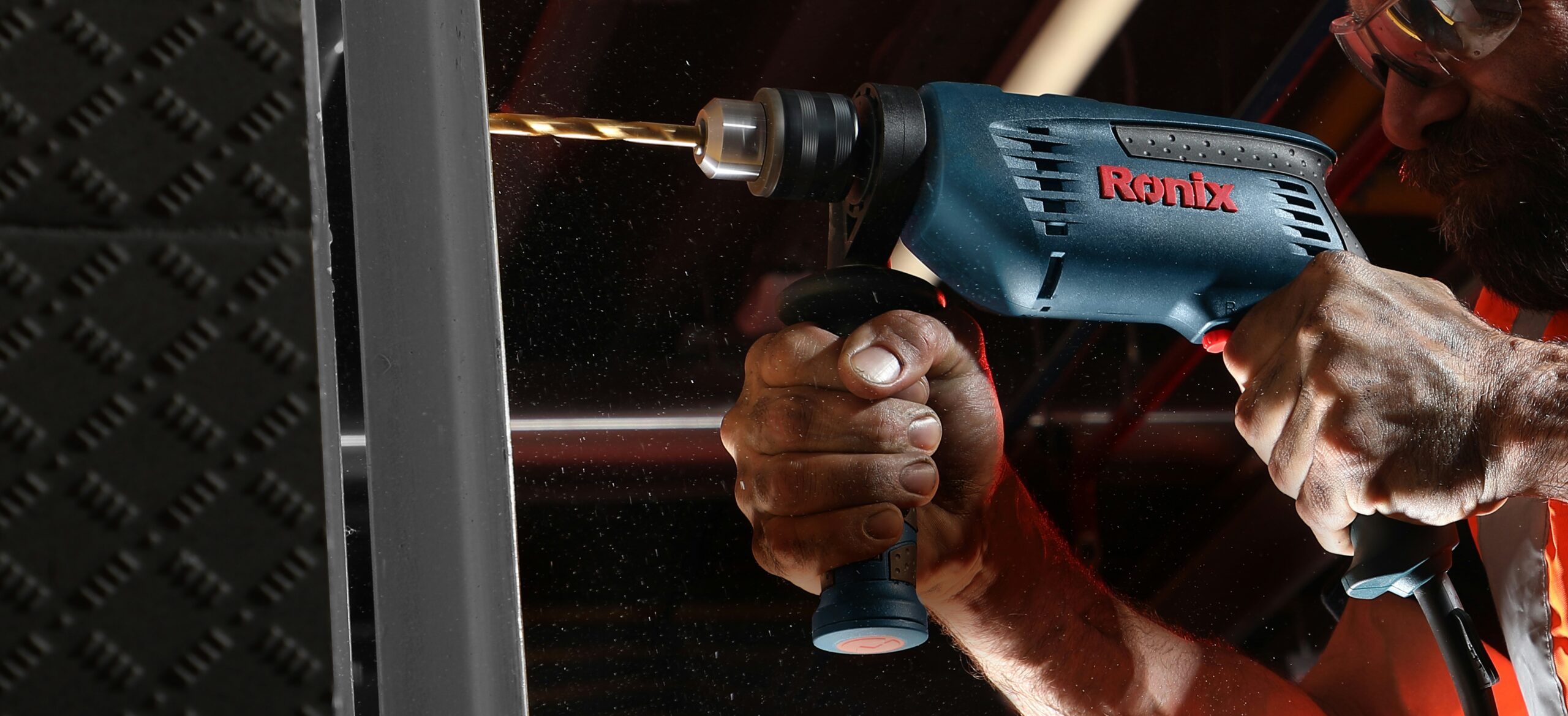
For drilling: Any 18V or 20V cordless drill handles drywall mounting. See our Best Cordless Drill for Beginners guide for specific model recommendations. A quality drill bit set with standard sizes (1/4″, 3/8″, 1/2″) covers every anchor type.
For measuring: A 25-foot tape measure and a torpedo level. Mounting something crooked is worse than mounting it in the wrong place — at least crooked is immediately obvious.
For marking: Blue painter’s tape and a pencil. Mark your hole locations on tape rather than directly on the wall — easier to reposition and leaves no marks if you change your mind.
For a complete list of tools every homeowner should have before tackling any mounting project, see our 10 Essential Tools Every Homeowner Should Own.
Frequently Asked Questions
How much weight can drywall hold without an anchor?
Almost none that you’d trust in practice. A screw driven directly into drywall (no stud, no anchor) holds about 5–10 lbs in ideal conditions — but drywall crumbles under sustained load, so this degrades over time. For anything you care about, always use an anchor or find a stud.
How do I know if I hit a stud or just an anchor point from a previous owner?
Drive a finish nail at your suspected stud location. If it hits solid resistance at 1/2 inch depth, you’ve hit a stud. If it goes in easily all the way, you’re in hollow wall. If it hits something hard but not wood-feeling at 1/2 inch, you may have hit a previous anchor — move two inches to the side and try again.
Can I mount into drywall without a drill?
For self-drilling plastic and zinc anchors, yes — you can drive them with a manual screwdriver. For SnapToggles and toggle bolts, you need to drill a 1/2-inch hole, which requires a drill. Hand-driving anything into drywall larger than a picture hook nail is difficult and inconsistent.
My anchor is spinning in the wall and won’t tighten — what do I do?
The anchor has stripped the drywall hole. You have two options: move 2–3 inches to a new location and use a larger anchor, or fill the stripped hole with spackle, let it cure for 24 hours, and re-anchor in the same spot with a larger diameter anchor. See our How to Patch Drywall Holes guide for the patching process.
Are metal studs different from wood studs for mounting?
Yes, significantly. Metal studs (common in commercial construction and some newer residential) require self-tapping metal screws rather than wood screws. Standard wood screws won’t bite into metal studs. Also, metal studs are hollow, so long screws can pass through without engaging the far side — use self-tapping toggle bolts or specialized metal stud anchors for heavy loads.
How do I mount something heavy if studs aren’t in the right location?
Three options in order of preference:
- Plywood backer: lag-bolt a piece of 3/4-inch plywood to two studs (it spans the gap), then mount your fixture to the plywood anywhere along its surface
- SnapToggle anchors: rated up to 265 lbs each in shear — two of them handle most heavy residential applications
- Reposition the item: sometimes the easiest solution is shifting the mount location 4–8 inches to hit a stud
What’s the difference between shear load and pull-out load for anchors?
Shear load is weight pulling straight down (like a shelf). Pull-out load is force pulling straight out from the wall (like a coat hook with a heavy bag). Most anchor ratings are for shear. Pull-out ratings are typically 30–50% lower. If your application involves significant outward pull (hooks, bike racks, climbing holds), factor this in and use a heavier-rated anchor than the shear rating alone would suggest.
The Short Version
Before mounting anything, answer three questions:
- How heavy is it — fully loaded, worst case?
- Is there a stud where I need to mount?
- What kind of load is it — static downward, or dynamic/lateral?
Match your answer to the weight matrix at the top of this guide. Use SnapToggles when in doubt between anchor types — they’re overbuilt for most applications and that’s exactly what you want when something’s hanging on your wall.
For the tools mentioned in this guide, our 10 Essential Tools Every Homeowner Should Own covers stud finders, drill recommendations, and measuring tools in detail.
Questions about a specific mounting project? Email us at contact@fixyardly.com — we read every message.
This article contains affiliate links. As an Amazon Associate, Fixyardly earns from qualifying purchases. See our Affiliate Disclosure for details.

Angel Gabriel Pucheta is the founder of Fixyardly, where he writes about home improvement, tool reviews, and practical DIY techniques. He started Fixyardly to cut through the noise of generic top-10 lists and provide homeowners with clear, honest, no-fluff guidance. Reach him at contact@fixyardly.com.