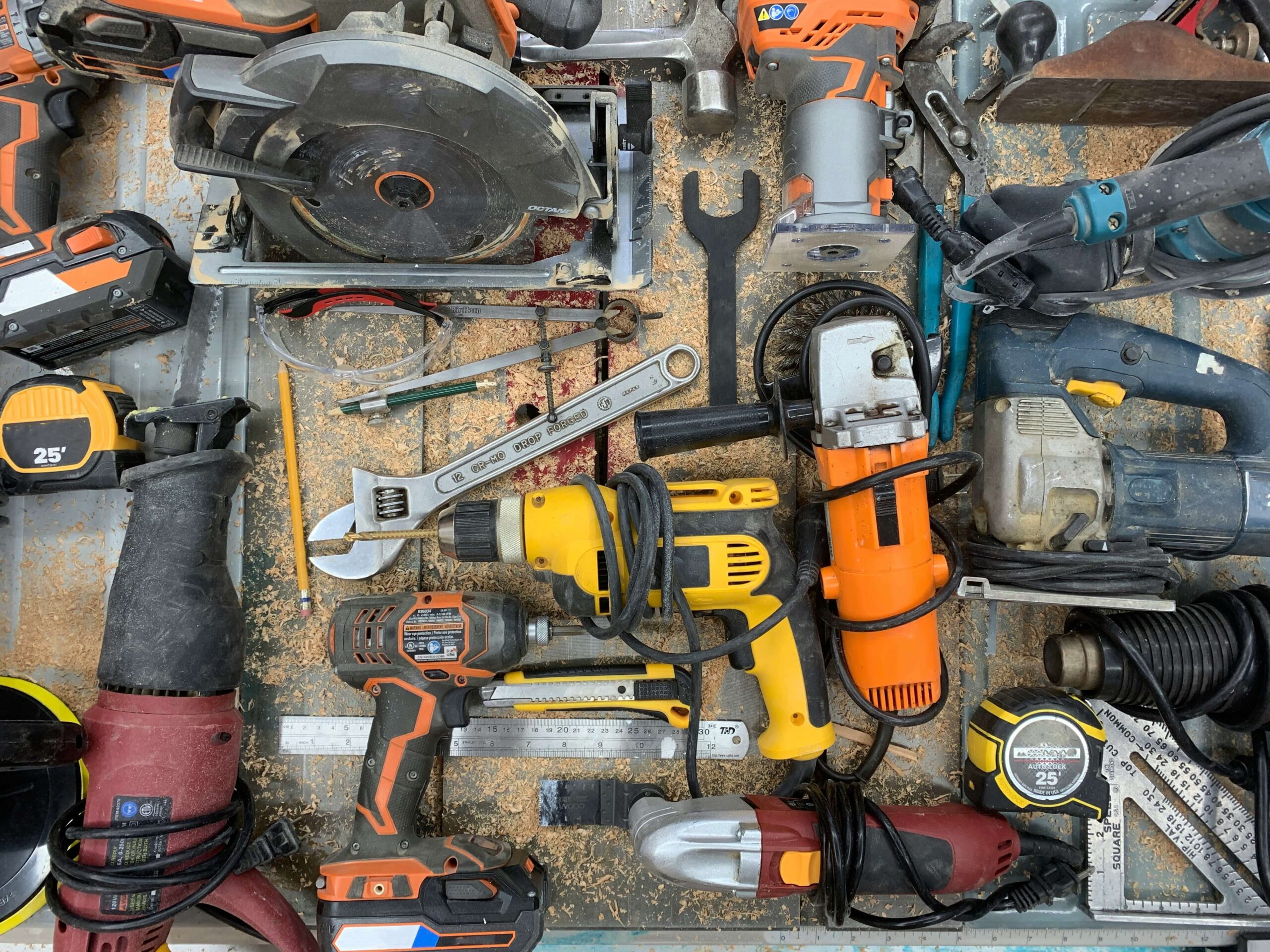
Choosing a cordless tool brand isn’t like picking a coffee maker. You’re not buying a tool — you’re buying into an ecosystem. Once you commit to DeWalt, Milwaukee, or Makita, your batteries, chargers, and future tools all live inside that one universe for years to come. Switching later is expensive and rarely worth it.
This is why the DeWalt vs Milwaukee vs Makita debate has been raging in workshops, contractor forums, and Reddit threads for over a decade. All three are excellent. All three have loyal fans who will argue passionately for their brand. And honestly? The differences are razor thin in 2026 — but they’re real, and they matter depending on what you’re trying to do.
This guide breaks down exactly where each brand wins, where each falls short, and which one is the right fit for your specific situation — whether you’re a weekend DIYer, a serious enthusiast, or a working pro.
What’s in This Guide
- The Honest Truth: All Three Are Excellent
- Battery Platforms: The Most Important Comparison
- DeWalt: The Safe All-Rounder
- Milwaukee: The Professional’s Choice
- Makita: The Engineering Excellence Pick
- Head-to-Head Comparison Table
- Which Brand Should You Choose?
- Frequently Asked Questions
- Final Verdict
Quick Answer: For most homeowners and DIYers in 2026, DeWalt offers the easiest entry path with the widest ecosystem. Milwaukee is the better pick for serious enthusiasts and pros who need peak performance. Makita is the choice for anyone who values ergonomics, build quality, and lower long-term fatigue.
The Honest Truth: All Three Are Excellent
Let’s get this out of the way first: there is no objectively bad choice among DeWalt, Milwaukee, and Makita. Independent testing from sources like Pro Tool Reviews and Consumer Reports consistently places all three at the top of professional rankings — they just trade positions year to year as new releases hit the market.
In 2026, Milwaukee earned the title of “best cordless power toolmaker” from Pro Tool Reviews. The previous year, DeWalt took top honors from OnlineTradesman, with Makita as runner-up. Different testers, different criteria, different winners — but always these same three names at the top.
What that tells you is simple: the brand you pick matters far less than picking ANY of these three and sticking with it. Build your ecosystem, learn its quirks, accumulate batteries, and you’ll get years of excellent performance.
The differences come down to:
- Battery technology and ecosystem size
- Tool ergonomics and weight balance
- Price positioning
- Specialty tool availability
- Where you buy them (Lowe’s vs Home Depot vs specialty dealers)
That’s what this guide is really about.
Battery Platforms: The Most Important Comparison
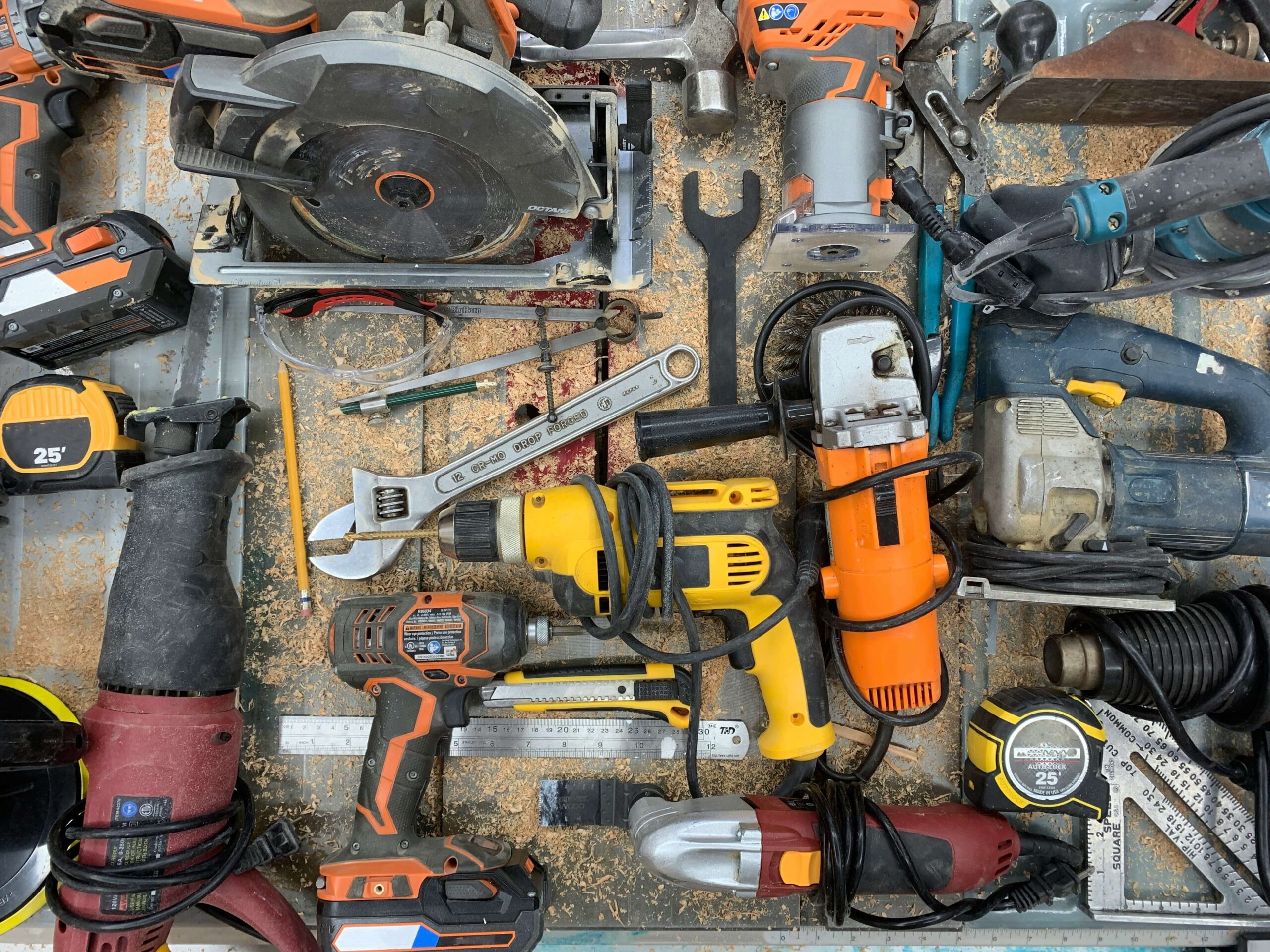
In 2026, choosing a power tool brand is really about choosing a battery platform. Here’s how the three stack up:
DeWalt 20V Max (with FlexVolt and POWERPACK)
- Ecosystem size: 200+ tools share the same battery system
- Premium battery line: POWERPACK tabless cells (released 2024, refined in 2025)
- Multi-voltage option: FlexVolt batteries work in both 20V and 60V tools — useful if you grow into heavy-duty tools later
- Availability: Sold everywhere (Home Depot, Lowe’s, Amazon, Ace, Walmart)
- Strength: Largest ecosystem in North America. If a cordless tool exists, DeWalt probably makes it.
Milwaukee M18 (with FORGE and ONE-KEY)
- Ecosystem size: 250+ tools on the M18 platform
- Premium battery line: FORGE tabless cells with active thermal management
- Smart features: ONE-KEY (Bluetooth tool tracking, custom torque settings, anti-theft lockout)
- Availability: Sold widely, but Home Depot has the deepest selection
- Strength: Best raw performance under sustained load. FORGE batteries are arguably the most advanced in 2026.
Makita LXT (18V) and XGT (40V Max)
- Ecosystem size: 175+ tools across LXT (older) and XGT (newer flagship line)
- Premium battery line: XGT BL4040F and BL4080H with tabless cell technology
- Two-platform challenge: XGT and LXT batteries are NOT cross-compatible — meaning if you mix tools from both lines, you need two battery systems
- Availability: Less common in big-box stores; specialty tool dealers, online, and Acme Tools have better selection
- Strength: Best ergonomics in the industry. XGT line delivers peak performance with Makita’s signature comfort.
The 2026 reality: All three brands now use tabless cell technology in their premium batteries (Milwaukee FORGE, DeWalt POWERPACK, Makita BL4040F). This means faster charging, more sustained power output, and longer overall battery life than what was available even two years ago. The gap between brands has narrowed significantly.
For a detailed breakdown of how battery quality affects long-term cost, our 5-year total cost of ownership analysis covers exactly what happens to cheap batteries vs premium ones over time.
Which battery platform wins?
For most users: DeWalt’s 20V Max wins on ecosystem breadth and availability.
For performance under heavy load: Milwaukee FORGE pulls slightly ahead.
For dual high-voltage workflows: Makita XGT is unmatched, but you pay for it (literally).
DeWalt: The Safe All-Rounder
DeWalt has been the default choice for North American contractors and homeowners for decades — and for good reason. The brand sits at the intersection of accessibility, performance, and ecosystem size that makes it nearly impossible to regret choosing.
Where DeWalt wins
- Ubiquity: You can walk into any hardware store in the U.S. and find DeWalt tools, batteries, and accessories. This matters when you need a replacement battery on a Saturday.
- The widest tool catalog in North America: Over 200 cordless tools on the 20V Max platform. Anything you might need exists.
- Reasonable pricing tier: Generally priced slightly below Milwaukee, slightly above Makita.
- FlexVolt multi-voltage system: Unique among the three. Batteries can power both 20V and 60V tools, useful if you ever need to step up to heavy-duty equipment.
- Brand recognition: DeWalt yellow is universally recognized. Resale value of used tools is strong if you ever decide to switch.
Where DeWalt falls short
- Not always the performance leader: In head-to-head testing of premium tools, DeWalt sometimes lands second to Milwaukee.
- Heavier ergonomics on some tools: DeWalt drills and impact drivers can fatigue your hand on long sessions compared to Makita.
- Older platform showing its age: The 20V Max system has been around for 13+ years. Excellent backward compatibility, but the newer Milwaukee FORGE batteries technically outperform DeWalt POWERPACK in lab tests.
Who should buy DeWalt
- First-time tool buyers who want maximum future flexibility
- Homeowners who shop at multiple hardware stores
- Anyone building a tool collection slowly over years
- DIYers who prioritize availability and resale value over peak performance
👉 See DeWalt 20V Max combo kits on Amazon
Milwaukee: The Professional’s Choice
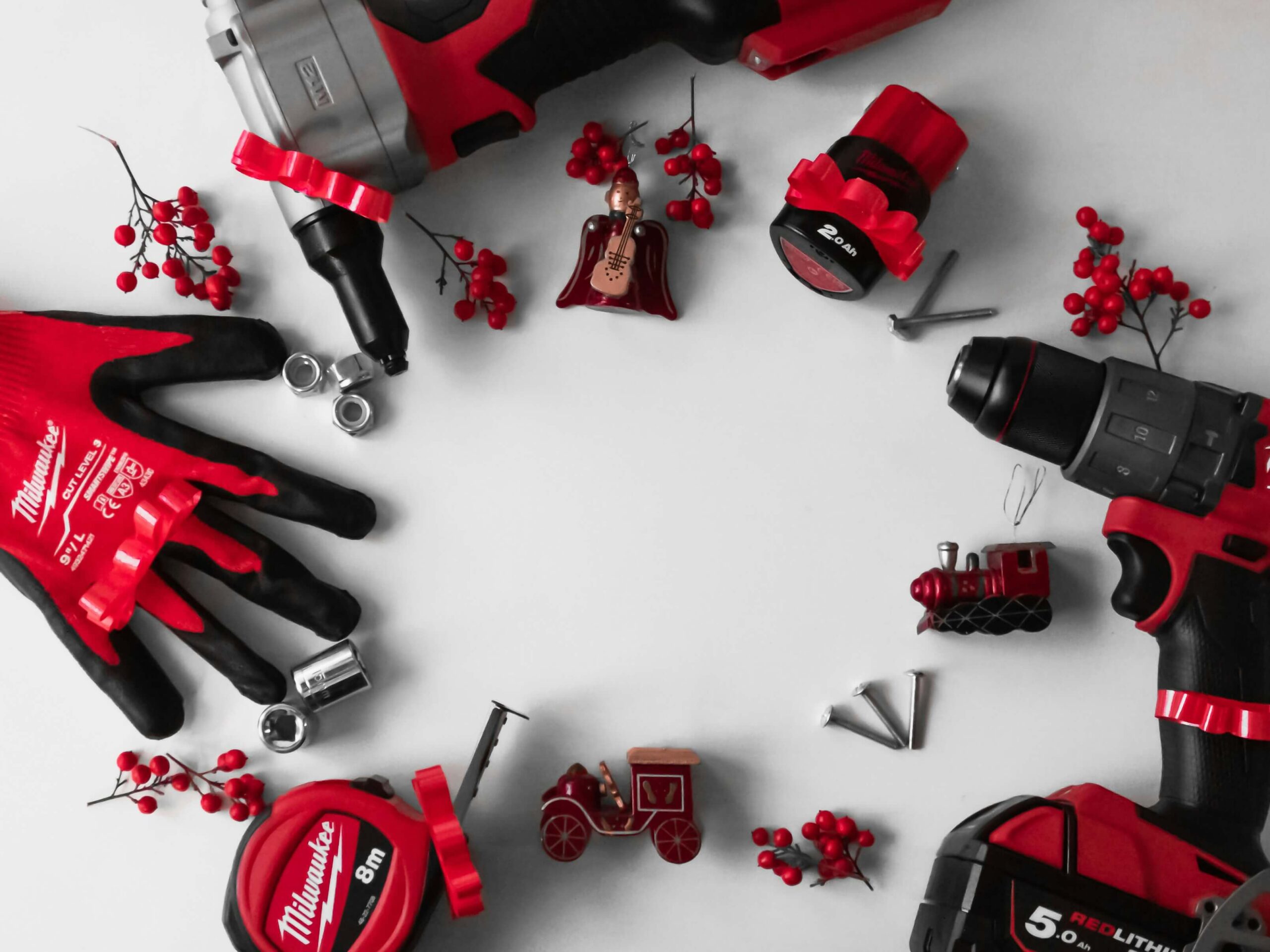
Walk onto any active job site in 2026 and count the red tools. You’ll see a lot of Milwaukee. The brand has aggressively positioned itself as the choice for working professionals, and the product line backs it up.
Where Milwaukee wins
- Peak performance under load: Milwaukee tools consistently win raw power tests. The Fuel and M18 Fuel lines, in particular, hold up better under sustained heavy use than competitors.
- FORGE battery technology: Released in 2023 and refined since, FORGE delivers what’s arguably the best cordless battery performance in the industry as of 2026.
- ONE-KEY ecosystem: No other brand has anything close. Bluetooth tracking, programmable tool settings, anti-theft lockout, inventory management — Milwaukee leads on smart tool features.
- Specialty professional tools: Pipe wrenches, drain cleaners, power trowels, specialized HVAC tools. Milwaukee covers professional niches no other brand bothers with.
- Aggressive product release cycle: Milwaukee releases new tools faster than DeWalt or Makita, which means you’ll always have access to the latest tech.
Where Milwaukee falls short
- Highest price tier: Milwaukee tools are typically 10-20% more expensive than DeWalt equivalents.
- Some clutches are weaker: Several reviewers and users note that Milwaukee drill clutches don’t grip as precisely as Makita’s for delicate driving work.
- Heavier tools overall: Milwaukee tools generally weigh more than Makita equivalents — significant on long workdays.
- Less universal availability: Strong at Home Depot, weaker at other major retailers. Replacement parts can be harder to find on the road.
Who should buy Milwaukee
- Serious DIYers who use tools weekly
- Contractors and tradespeople
- Anyone prioritizing raw performance over price
- Users who want the most cutting-edge tool tech available
- Buyers who shop primarily at Home Depot
👉 See Milwaukee M18 Fuel combo kits on Amazon
Makita: The Engineering Excellence Pick
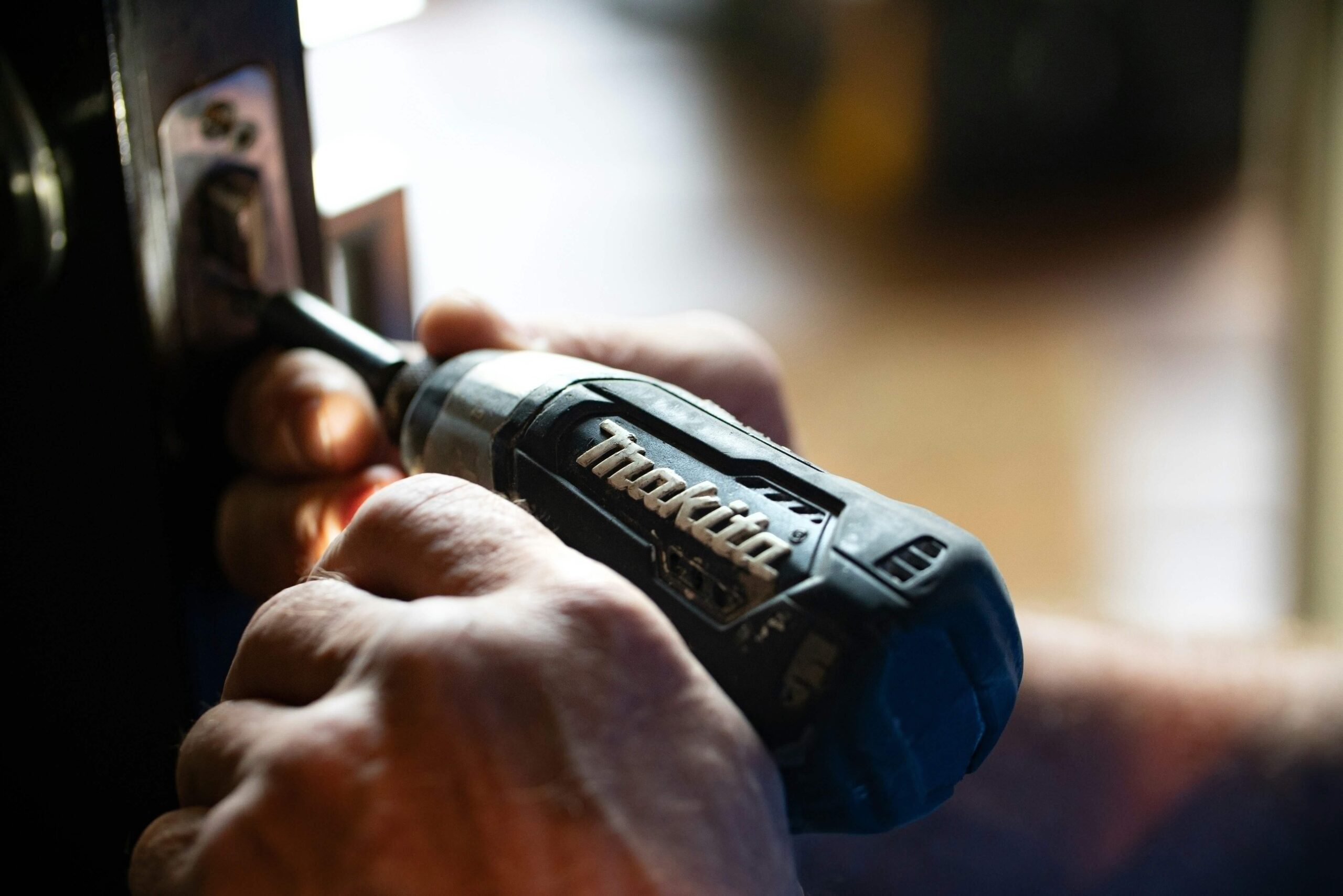
Makita doesn’t get the marketing attention that DeWalt and Milwaukee command in North America — but the people who use Makita tools tend to be intensely loyal. There’s a reason for that.
Where Makita wins
- Best ergonomics in the industry: Makita’s grip design, weight balance, and trigger feel are widely considered superior. After eight hours of overhead work, the difference matters.
- Build quality and durability: Makita’s XPT (Extreme Protection Technology) is genuinely engineered into the tool — not just marketing. Makita tools often outlast competitors in real-world conditions.
- Lighter weight across the board: Makita drills and drivers weigh noticeably less than DeWalt and Milwaukee equivalents.
- XGT 40V Max line: Makita’s newer flagship platform delivers serious power for users who need it. The XGT BL4080H battery is one of the most advanced single batteries available.
- Engineering-first design philosophy: Less marketing, more focus on getting the tool right. Appeals to users who want substance over branding.
Where Makita falls short
- Two-platform problem: XGT and LXT batteries are not cross-compatible. If you’re invested in LXT (the older 18V line), buying XGT means starting a second battery system.
- Limited availability in big-box stores: Lowe’s stocks limited Makita selection. Home Depot is better but still narrower than DeWalt or Milwaukee.
- Smaller specialty tool catalog: Makita has fewer “weird tool” options than Milwaukee — no power trowels, fewer pneumatic options.
- Less aggressive marketing: Some users (and resellers) value brand prestige. Makita scores lower here than DeWalt or Milwaukee.
Who should buy Makita
- Users who hold tools for extended periods (woodworkers, finish carpenters, installers)
- Anyone with hand fatigue, arthritis, or joint sensitivity
- DIYers who value build quality and engineering
- Buyers who shop online or at specialty tool dealers
- Professional users in trades that demand precision and comfort
👉 See Makita LXT combo kits on Amazon
Head-to-Head Comparison Table
| Feature | DeWalt | Milwaukee | Makita |
|---|---|---|---|
| Ecosystem size | 200+ tools | 250+ tools | 175+ tools (split across 2 platforms) |
| Battery tech (2026) | POWERPACK tabless | FORGE tabless + thermal mgmt | BL4040F / BL4080H tabless |
| Raw performance | Excellent | Best in class | Excellent |
| Ergonomics | Good | Good | Best in class |
| Weight | Medium | Heavier | Lightest |
| Smart features | Tool Connect (limited) | ONE-KEY (best) | None |
| Price tier | $$$ | $$$$ | $$$ to $$$$ |
| Availability | Universal | Strong (mostly Home Depot) | Limited big-box, strong online |
| Best for | Versatile all-rounder | Heavy-duty pro use | Long sessions + precision work |
| Multi-voltage option | FlexVolt (60V) | No | Yes (XGT 40V) |
| Resale value | Strong | Strong | Moderate |
Note: “Price tier” reflects relative pricing among premium tools, not the cheapest entry-level options. All three brands have budget compact lines (DeWalt Atomic, Milwaukee compact M18, Makita Sub-Compact) priced significantly lower than their flagship products.
Which Brand Should You Choose?
Forget the spec sheets for a second. Here’s a decision framework based on how you’ll actually use the tools:
Choose DeWalt if…
- You’re new to cordless tools and want the safest bet
- You shop at multiple hardware stores (or might in the future)
- You want maximum tool selection flexibility for future expansion
- You value resale value (if you ever switch platforms)
- You might eventually need 60V FlexVolt tools (table saws, miter saws, etc.)
Choose Milwaukee if…
- You use tools weekly or daily
- You’re in a trade (electrical, plumbing, framing, HVAC, etc.)
- Raw performance under heavy load matters more than weight
- You want smart features like ONE-KEY tool tracking
- You primarily shop at Home Depot
- You need specialty professional tools (drain cleaners, pipe wrenches, etc.)
Choose Makita if…
- You hold tools for hours at a time (woodworking, finish work, installations)
- You have any hand, wrist, or joint sensitivity
- You prioritize build quality and engineering over brand prestige
- You’re comfortable buying online or from specialty dealers
- You’re willing to pay a small premium for ergonomic comfort
Honest curveball: It might not matter as much as you think
If you’re a homeowner who’ll use the drill 10-20 times a year, the differences between these three brands are almost imperceptible in your use case. Pick the brand you can buy locally, get the kit that includes batteries and a charger, and start using it. The “wrong” choice among these three is still a fantastic tool.
The decision matters most for professionals who’ll accumulate $2,000-$5,000+ in tools over the years on a single battery platform. For those buyers, all three of these guides will help — but matching the brand to your work style is critical.
If you’re specifically choosing between cordless drills from these brands, our analysis of 1,247 Amazon reviews documents the exact complaints that show up across all three — battery issues, weight, and chuck problems — and how to avoid them before buying.
Frequently Asked Questions
Are DeWalt, Milwaukee, and Makita batteries interchangeable?
No. Each brand uses a proprietary battery design. DeWalt 20V Max batteries fit only DeWalt tools, Milwaukee M18 batteries fit only Milwaukee tools, and so on. Third-party battery adapters exist (allowing DeWalt batteries to power Makita tools, for example) but they typically void warranty and can be unreliable. Stick with one platform.
Which brand has the best customer service?
All three have generally strong customer service for warranty issues. DeWalt and Milwaukee tend to have faster turnaround times in North America due to denser service center networks. Makita warranty service is excellent but can take longer if you don’t live near a service center.
Are these brands made in the same factory?
No, but ownership is interesting:
- DeWalt is owned by Stanley Black & Decker (also owns Craftsman, Porter-Cable, Irwin)
- Milwaukee is owned by TTI (Techtronic Industries, which also owns Ryobi, Ridgid for power tools, and Hoover)
- Makita is independent, headquartered in Japan, with manufacturing across multiple countries
The brands are distinct competitors, not different labels on identical products.
Is it worth buying refurbished tools from these brands?
Yes, with caveats. Manufacturer-certified refurbished tools from DeWalt, Milwaukee, and Makita are typically backed by 90-day to 1-year warranties and sold at 20-35% discounts. They’re excellent value for casual users. Avoid third-party “refurbished” listings on Amazon or eBay where source authenticity is unclear.
Can I use one brand’s drill bits and accessories with another brand’s drill?
Yes. Drill bits, driver bits, hole saws, and most cutting accessories are universal — they fit standard 1/4-inch hex shanks or chuck sizes regardless of brand. Battery and tool-specific accessories (like dust collection attachments) are brand-specific.
What about other brands like Bosch, Ryobi, or Flex?
Bosch makes excellent tools, particularly in Europe. In North America, Bosch’s cordless ecosystem is smaller than the top three but their corded tools are superb. Ryobi is positioned as the value champion — see our Best Cordless Drill for Beginners 2026 for more on Ryobi vs the premium brands. Flex is the newcomer, with impressive performance but a smaller ecosystem and unclear long-term commitment from the brand.
How long do batteries from these brands last?
Modern lithium-ion batteries from any of the three brands should last 3-5 years of regular use, or 500-1,000 charge cycles. Premium battery lines (FORGE, POWERPACK, BL4080H) tend to last longer due to better thermal management. Avoid leaving batteries in extreme heat or completely draining them to maximize lifespan.
Final Verdict
In 2026, the DeWalt vs Milwaukee vs Makita debate doesn’t have a single winner — and that’s actually good news. It means you genuinely cannot make a bad choice among these three brands.
If we had to summarize:
- DeWalt is the answer for most people most of the time. Safe, versatile, easy to find, easy to expand.
- Milwaukee is the answer if you need peak professional performance and don’t mind paying for it.
- Makita is the answer if comfort, weight, and engineering quality matter more than brand prestige.
But here’s the more important truth: the best tool brand is the one you can actually buy and start using today. Don’t spend three weeks researching while your project waits. Pick the brand that fits your use case, buy a quality starter kit with batteries and a charger, and start building skills and your collection.
A year from now, you won’t regret the choice — as long as you actually made one.
If you’re still figuring out your first cordless drill specifically, check out our Best Cordless Drill for Beginners 2026 — it covers the entry-level options across all these brands and others.
The pattern across contractor forums and tool review communities is consistent: buyers who picked any of these three brands and stuck with it for 3+ years report far less frustration than those who mixed platforms chasing deals. Commit to one, build the battery library, and the tools pay for themselves.
Have a brand loyalty question we didn’t cover? Email us at contact@fixyardly.com — we read and respond to every message.
This article contains affiliate links. As an Amazon Associate, Fixyardly earns from qualifying purchases. See our Affiliate Disclosure for details.

Angel Gabriel Pucheta is the founder of Fixyardly, where he writes about home improvement, tool reviews, and practical DIY techniques. He started Fixyardly to cut through the noise of generic top-10 lists and provide homeowners with clear, honest, no-fluff guidance. Reach him at contact@fixyardly.com.